
 Callum
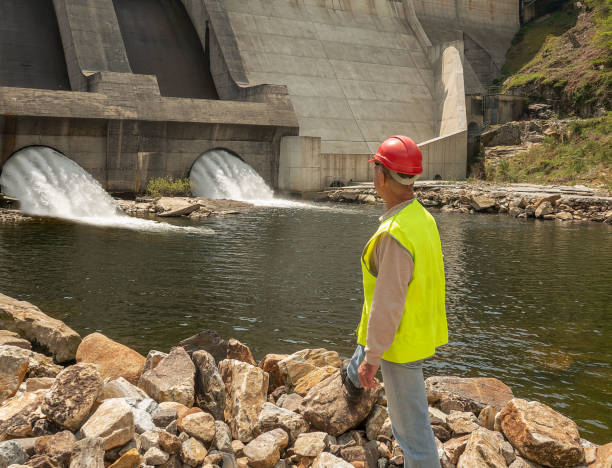
Dam building has shaped human progress for centuries. Dams store water, control floods, and generate power. Yet every structure placed across a river changes nature in lasting ways. Understanding these effects helps planners, engineers, and communities reduce harm while meeting real needs. This article explains how dam building affects land, water, wildlife, and people, with a clear look at both benefits and risks.
How Dam Construction Changes Natural Ecosystems
Dam construction alters rivers from the ground up. When builders block a flowing river, water slows and spreads. This shift changes temperature, oxygen levels, and sediment movement.
Sediment once carried downstream now settles behind the dam. Over time, this buildup reduces reservoir depth and starves downstream areas of nutrients. Riverbanks erode faster, and wetlands shrink.
Fish and aquatic species face the greatest pressure. Many species rely on free-flowing rivers to migrate and breed. A dam can block these routes and reduce populations within years.
One often-overlooked factor is long-term monitoring. Engineers rely on underwater inspection to check cracks, erosion, and biological growth. These inspections protect the structure, but they also reveal how aquatic life adapts or fails to adapt to the new environment.
For example: In rivers with multiple dams, fish diversity often drops by more than half within decades.
Water Quality and Climate Effects
Dams change how water behaves. Still water warms faster than moving water. Warmer water holds less oxygen, which stresses fish and insects.
In deep reservoirs, water layers form. Cold, low-oxygen water settles at the bottom. When this water releases downstream, it can shock ecosystems used to steady conditions.
Dams also affect climate on a local scale. Large reservoirs increase evaporation. This can raise humidity and alter rainfall patterns nearby. In dry regions, water loss through evaporation becomes a serious concern.
Highlighted insight: Small temperature changes can cause large ecological shifts.
Social and Land Impacts
Dam projects often flood wide areas. Forests, farms, and villages may disappear under water. While some communities benefit from power and irrigation, others lose land and cultural sites.
Displaced families face long-term challenges. New land may lack fertile soil or access to water. Social networks break apart, and traditional livelihoods fade.
From a land-use view, dams can reduce flood damage downstream. Yet when floods do occur, they may be stronger due to altered river channels.
- Flood control helps cities but may harm natural floodplains
This balance between safety and nature remains one of the hardest issues in dam planning.
Dam Construction and Long-Term Environmental Risk
The full impact of dam construction appears over decades. Concrete ages. Sediment builds. Species adapt or vanish. Without regular care, risks grow.
Underwater inspection plays a key role here. Divers and robotic systems assess damage below the surface. These checks prevent sudden failures and help limit environmental disasters caused by leaks or collapses.
Pro tip: Early inspection and maintenance reduce both repair costs and ecological damage.
When dams fail, the damage spreads fast. Flood waves destroy habitats and human settlements alike. Prevention protects both nature and lives.
Can Environmental Damage Be Reduced?
Yes, but only with careful planning. Modern dam projects include fish ladders, sediment flushing systems, and controlled water releases. These tools help mimic natural river flow.
Smaller dams often cause less harm than massive ones. In some cases, removing old dams restores ecosystems within years.
Clear rules, strong inspections, and honest impact studies make the biggest difference. When environmental costs guide decisions, outcomes improve.
Conclusion
Dam building brings clear benefits, but it reshapes the environment in deep ways. Rivers slow, ecosystems shift, and communities change. Through smart dam construction, regular underwater inspection, and long-term planning, many risks can be reduced. The goal is not to stop progress, but to guide it with care, balance, and respect for natural systems.