
 Callum
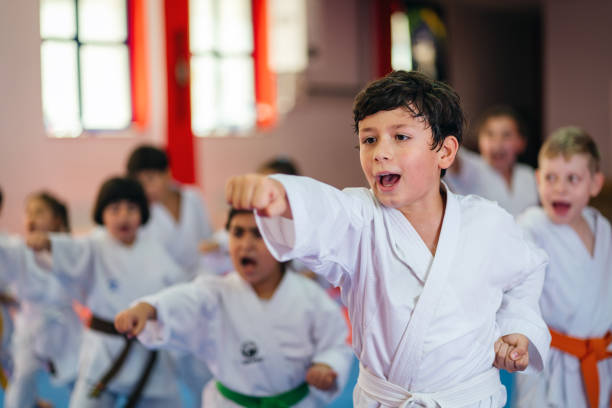
Parents constantly search for activities that help their children grow into confident, focused, and well rounded individuals. Among the many options available, martial arts consistently stands out as one of the most effective choices. But how exactly do these programs achieve such meaningful results, and why do so many families choose this path over other extracurricular activities?
Confidence Built Through Real Achievement
Unlike praise given simply for participation, martial arts training rewards genuine effort and improvement. Children earn their progress through consistent practice, and each new skill or belt represents a real accomplishment. This sense of earned achievement builds authentic confidence that children carry with them into other areas of life, including school, social situations, and new challenges they may face growing up. Kids martial arts classes are structured specifically to provide these regular milestones, keeping children motivated while reinforcing that hard work leads to tangible results.
Improved Focus and Concentration
Many parents notice a significant improvement in their child’s ability to concentrate after starting training. Classes require children to listen carefully to instructions, watch demonstrations closely, and replicate techniques with precision. This constant practice of focused attention strengthens a child’s ability to concentrate in other settings as well, including the classroom. Instructors often incorporate drills specifically designed to sharpen listening skills and reaction time, further reinforcing this valuable mental discipline.
A Safe Outlet for Energy
Children naturally have abundant energy, and finding a healthy outlet for it benefits both the child and the household. Training provides a structured, safe environment where kids can move, exert themselves physically, and channel their energy into productive skill building rather than restlessness or frustration. Many parents report that their children sleep better and display improved behavior at home after consistent training, largely due to this healthy physical outlet.
Learning Respect and Self Control
Respect is a foundational principle taught from the very first class. Children learn to address instructors properly, follow class etiquette, and show consideration toward training partners. This structured environment naturally teaches self control, as children practice managing their emotions and reactions during drills and sparring exercises. These lessons in respect and restraint often translate directly into improved behavior at school and home, something many parents cite as a primary reason for enrolling their children.
Social Skills and Teamwork
While martial arts can appear to be an individual pursuit, training environments actually foster strong social connections. Children work with partners during drills, encourage one another during challenging exercises, and build friendships with peers who share similar goals. This social interaction helps develop important skills like communication, patience, and empathy. Shy or introverted children in particular often blossom in this supportive setting, gradually gaining comfort interacting with others.
Setting Goals and Overcoming Challenges
The belt ranking system provides children with clear, achievable goals to work toward. Each new rank requires mastering specific skills, giving children a structured path for improvement. Along the way, children inevitably face challenges and setbacks, whether struggling with a difficult technique or facing nerves during a belt test. Learning to push through these obstacles builds resilience and teaches children that setbacks are simply part of the learning process rather than reasons to give up.
Physical Development and Coordination
Beyond mental and emotional growth, training offers substantial physical benefits. Children develop improved coordination, balance, flexibility, and overall strength through consistent practice. These physical skills support better performance in other sports and activities as well, giving children a well rounded athletic foundation. Unlike some sports that focus on a narrow skill set, martial arts engages the entire body, promoting balanced physical development.
What Parents Can Expect
Most programs designed for children break down instruction into small, manageable steps appropriate for various age groups. Younger children often start with basic movement, coordination games, and simple techniques, while older kids progress into more structured technical training. Instructors experienced in working with children understand how to keep classes engaging, using positive reinforcement and age appropriate challenges to maintain enthusiasm and attention throughout each session.
Choosing the Right Program for Your Child
When selecting a program, look for instructors experienced specifically in teaching children, as this age group requires a different teaching approach compared to adults. Class size, teaching style, and overall atmosphere all play a role in how well a child will respond to training. Many schools offer trial classes, giving your child a chance to experience the environment before committing to a full program.
Final Thoughts
The benefits of youth training extend far beyond physical fitness alone. Confidence, focus, respect, and resilience are all cultivated through consistent practice in a structured and supportive environment. For parents seeking an activity that supports both physical and personal development, few options offer the same well rounded benefits as martial arts training for kids.