 Antonio Bergan
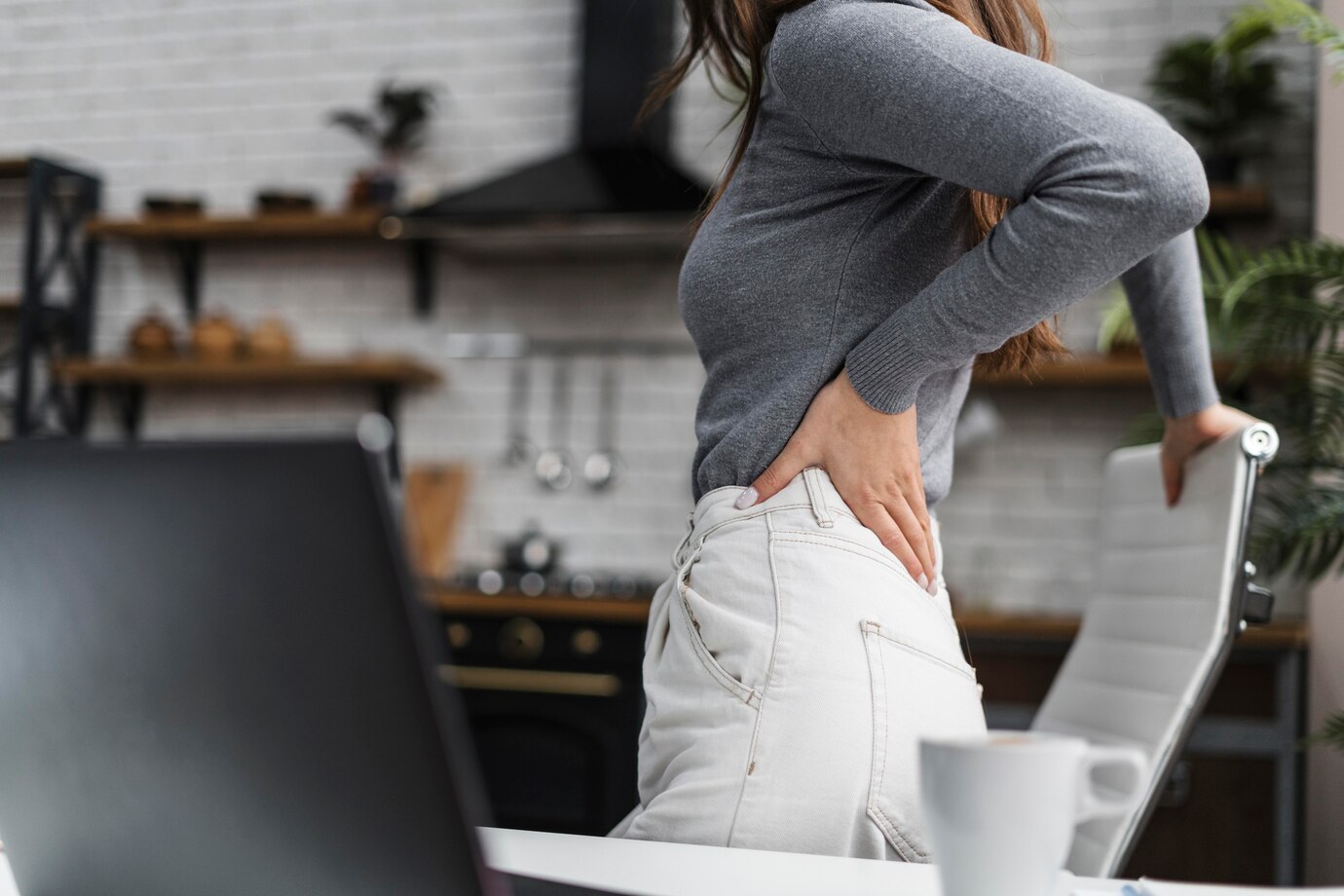
Lower back pain (LBP) is a widespread musculoskeletal issue affecting numerous adults globally. This guide aims to provide a thorough understanding of LBP and evidence-based strategies for its effective management. Whether you’re experiencing discomfort from poor posture, heavy lifting, or a sedentary lifestyle, this resource offers practical advice to help you alleviate and prevent lower back pain.
Who Should Use This Guide
This guide is designed for adults (18+ years) experiencing non-traumatic, mechanical lower back pain. It is particularly useful for individuals seeking to understand the causes of their pain and implement self-management strategies.
When This Guide Is Not Suitable
This guide is not intended for individuals with back pain related to pregnancy, post-accident trauma, radiculopathy (nerve root compression), cancer, spinal infections, neurological conditions, fractures, or specific arthritic conditions. If you have any of these conditions, consult with a healthcare professional for appropriate medical advice.
Common Causes of Lower Back Pain
Several factors can contribute to the development of lower back pain. Identifying these causes is the first step toward effective prevention and management.
Poor Posture
Extended periods of sitting, especially with improper posture, can strain the muscles and ligaments in the lower back, leading to pain.
Heavy Lifting
Lifting heavy objects using incorrect techniques can place excessive stress on the spine, resulting in acute or chronic lower back pain.
Sedentary Lifestyle
A lack of physical activity weakens the muscles that support the spine, making it more susceptible to injury and pain.
Workplace Ergonomics
An improperly set up workstation can contribute to poor posture and prolonged strain on the lower back.
Evidence-Based Management Strategies for Lower Back Pain
Movement and Activity
Staying active is crucial for managing lower back pain. Current evidence supports engaging in gentle movement within pain limits and gradually returning to normal daily activities.
Workplace Ergonomics
Optimizing your workspace can significantly reduce lower back pain.
Desk Setup
Ensure your monitor is at eye level, use a chair with lumbar support, and keep your feet flat on the floor.
Movement Breaks
Take 2-3 minute breaks every hour to stretch, walk, and change positions.
Sleep Positioning
Proper sleep positioning can alleviate pressure on the spine.
Recommended Positions
Sleeping on your side with a pillow between your knees or on your back with a pillow under your knees can help maintain neutral spine alignment. Use a medium-firm mattress and change positions every 2-3 hours.
Physical Interventions
Heat and Cold Therapy
Apply ice therapy for 15-20 minutes during the first 48-72 hours to reduce inflammation. After 72 hours, switch to heat therapy for 15-20 minutes to relax muscles.
Exercise Recommendations
Engage in low-impact exercises such as walking, swimming, gentle stretching, and core strengthening to improve spinal support and flexibility.
Lifestyle Modifications
Making changes to your daily habits can significantly impact lower back pain.
Daily Activities
Use proper lifting techniques, wear comfortable footwear, maintain a healthy weight, move regularly, and reduce stress.
Exercise Progression
Start with gentle movements and basic stretches during the acute phase. As you recover, progress to structured exercises and strength building. Maintain regular activity and prevention strategies in the long term.
Prevention Strategies for Lower Back Pain
Posture Management
Regularly check your posture, make ergonomic adjustments, engage your core muscles, and incorporate balance training into your routine.
Lifting Techniques
Bend your knees, brace your core, keep the load close to your body, and avoid twisting when lifting objects.
Lifestyle Factors
Maintain a healthy weight, exercise regularly, reduce stress, and ensure adequate sleep to prevent lower back pain.
When to Seek Medical Care for Lower Back Pain

While many cases of lower back pain can be managed with self-care strategies, certain symptoms warrant medical attention.
Red Flags
Seek immediate medical care if you experience severe, persistent pain, neurological symptoms, unexplained weight loss, fever, loss of bowel or bladder control, night pain, or progressive weakness.
By following the strategies outlined in this guide, you can effectively manage and prevent lower back pain, improving your overall quality of life. Remember, consistent effort and proactive measures are key to long-term relief and prevention.

 Callum